Economic Indicators Driving Transitions Between Automated Reel Systems and Athletic Forecasting Applications in Digital Spaces
Anna Lehmann · Oct 4, 2026
Economic Indicators Driving Transitions Between Automated Reel Systems and Athletic Forecasting Applications in Digital Spaces
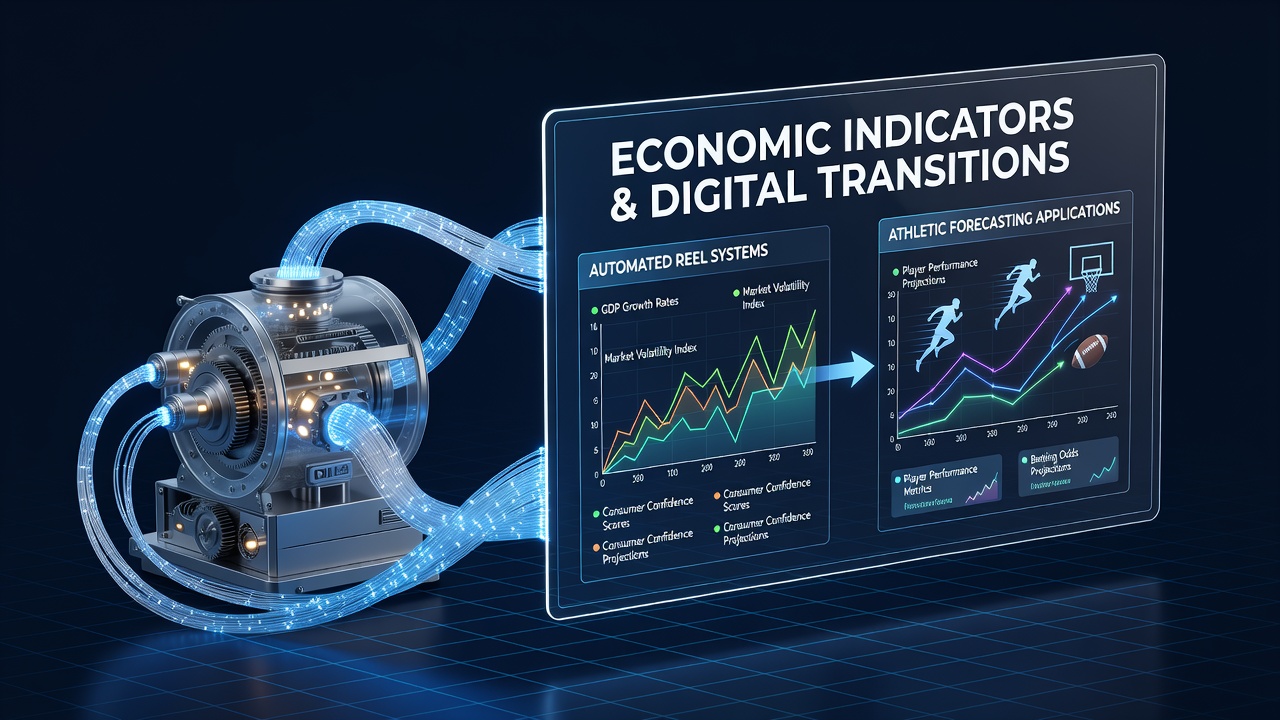
Market analysts track several macroeconomic signals that prompt users to move between automated reel systems and athletic forecasting platforms in digital environments, with consumer spending patterns shifting in response to broader economic conditions. Inflation rates measured by the Consumer Price Index often correlate with reduced activity in high-volatility reel-based games while athletic prediction tools see steadier engagement because participants view them as more analytical exercises rather than pure chance outcomes.
Inflation and Consumer Discretionary Spending Patterns
Figures released by the Bureau of Labor Statistics in October 2026 showed core inflation holding at 2.8 percent, a level that prompted many digital platform operators to adjust promotional structures across both reel systems and forecasting modules. When prices for everyday goods climb, users tend to allocate smaller portions of their entertainment budgets toward automated reels, which researchers at the University of Nevada Reno have linked to quicker session drop-offs during periods of elevated price pressure. Athletic forecasting applications, by contrast, retain participation because prediction mechanics allow users to apply external knowledge about teams and events, creating a perceived edge that feels less random amid tightening household finances.
Employment Data and Platform Migration Trends
Monthly employment reports from Statistics Canada indicate that unemployment ticks above 5.5 percent coincide with measurable drops in reel system deposits, while athletic forecasting volumes hold or increase slightly as users seek outlets that reward research and timing. Observers note this pattern repeats across multiple jurisdictions because wage growth stagnation leaves fewer surplus dollars for rapid, repetitive reel spins yet still supports occasional strategic wagers on athletic outcomes. Platform operators respond by refining cross-promotions that encourage movement between the two formats rather than outright exits from digital spaces altogether.
Interest Rate Shifts and Risk Appetite
Federal Reserve policy announcements on benchmark rates influence how digital users perceive risk across automated and predictive products. When rates rise, borrowing costs increase and consumer confidence indices compiled by the Conference Board decline, leading to slower reel system activity as participants conserve cash. Athletic forecasting tools experience different effects because their outcome probabilities tie more directly to scheduled events and statistical models, giving users a sense of control that persists even when broader economic sentiment softens. Data from the OECD shows similar correlations in European markets where rate decisions prompt measurable reallocations between chance-based and skill-influenced digital offerings.

Currency Fluctuations and Cross-Border Platform Usage
Exchange rate movements tracked by the Bank of Japan and the Reserve Bank of Australia affect how international users distribute activity across reel systems and athletic forecasting interfaces. Stronger domestic currencies encourage exploration of foreign-hosted prediction tools, while weakening currencies push participants toward localized reel environments with lower entry thresholds. These currency-driven transitions appear most pronounced during earnings seasons when quarterly reports from major gaming operators highlight geographic variations in revenue sources.
Stock Market Volatility and User Behavior
Volatility indices published by major exchanges reveal that elevated equity market swings often coincide with users testing athletic forecasting applications more frequently than automated reels. The perception that sports outcomes can be partially anticipated through data analysis draws participants who reduce reel exposure during uncertain periods. Academic papers from the London School of Economics have documented these behavioral adjustments across multiple market cycles, showing consistent patterns without claiming causation from any single indicator.
Conclusion
Economic indicators continue to shape how digital users navigate between automated reel systems and athletic forecasting applications, with inflation, employment, interest rates, and currency movements serving as primary signals. Platform operators monitor these metrics to adjust features and promotions accordingly, while researchers compile usage data that reflects broader financial conditions rather than isolated preferences. The interplay between these factors produces measurable transitions that evolve with each new round of official statistics released throughout 2026 and beyond.