How Holiday Shopping Trends Shape Deposit Patterns in Hybrid Betting Platforms
Gisela Coleman · Sep 20, 2026

How Holiday Shopping Trends Shape Deposit Patterns in Hybrid Betting Platforms
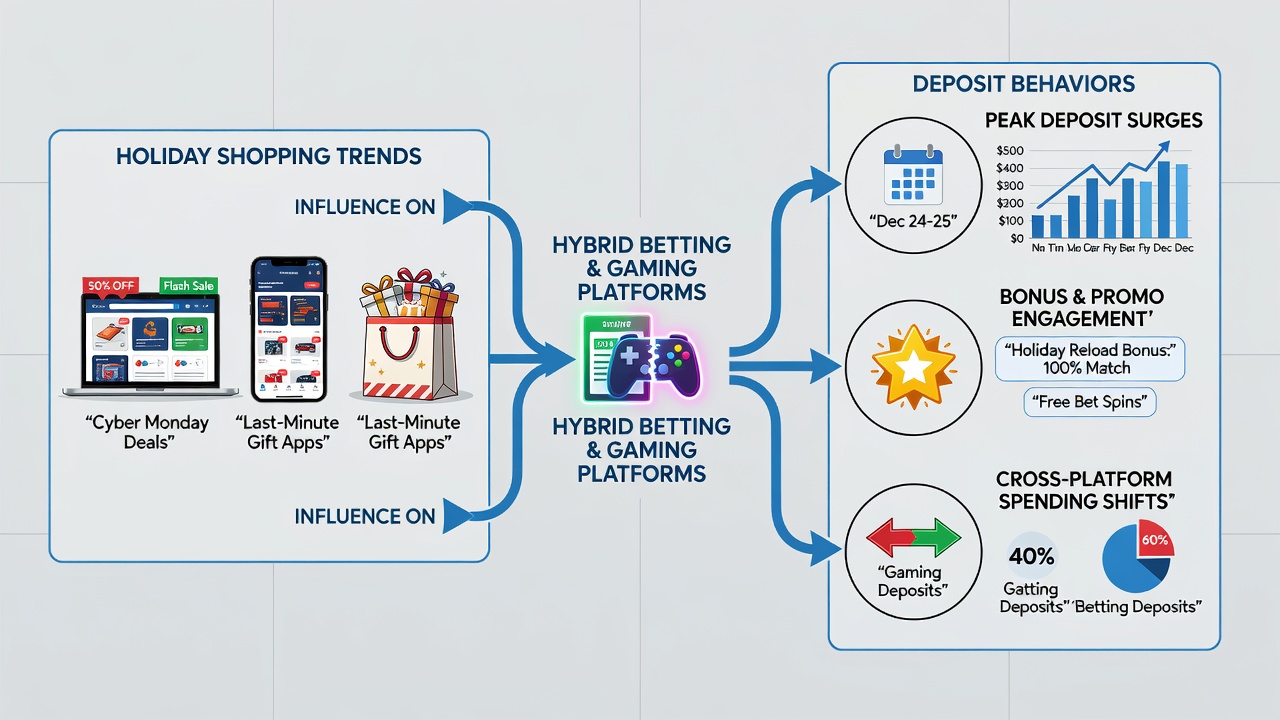
Retail spending surges during the November and December holiday period create measurable shifts in how users fund accounts on platforms that combine casino games with sports wagering. Data from multiple regions indicates that average deposit sizes contract by 12 to 18 percent in the weeks leading up to major gift-giving holidays, while the frequency of smaller, more frequent transactions rises. These patterns emerge because household budgets allocate larger portions to physical goods and travel, leaving narrower windows for discretionary entertainment transfers.
Retail Data and Platform Deposit Correlations
Figures released by the National Retail Federation show that U.S. holiday sales reached 1.04 trillion dollars in the most recent tracked season, with peak weeks occurring between Black Friday and mid-December. Operators of hybrid platforms report that deposit volumes track inversely with these retail spikes, particularly in categories such as gift cards, electronics, and apparel. Observers note that users who previously transferred 50 to 100 dollars per session often reduce those amounts to 20 to 40 dollars during the same calendar window, then resume larger transfers once January statements arrive.
Payment method preferences also change. Credit card deposits increase relative to e-wallet or bank transfers because many shoppers seek reward points or extended payment terms that align with holiday purchases. One analysis of transaction logs from North American operators found a 9 percent rise in credit card funding between late November and December 25, accompanied by a corresponding drop in cryptocurrency and prepaid voucher activity. Researchers tracking similar European markets observed parallel movements, although the magnitude varied by country-specific consumer credit norms.
Timing and Promotional Adjustments
Hybrid platforms respond to these seasonal flows by timing deposit bonuses and loyalty rewards around known retail peaks. In September 2026, several major operators adjusted their promotional calendars to include early-December deposit matches that emphasized lower minimum thresholds, a direct response to user behavior observed in prior years. These adjustments allow platforms to maintain engagement levels even when overall disposable income faces competing demands from holiday obligations.
Transaction timing data further reveals that deposits cluster on paydays that fall within the first two weeks of December, after which activity declines sharply until post-holiday pay cycles resume. Platforms that integrate real-time spending alerts from linked financial accounts have begun surfacing nudges that remind users of remaining budget allocations, though adoption rates for these tools differ across demographic segments.
Cross-Regional Variations and Regulatory Context
Patterns differ by jurisdiction. Australian operators registered with state gaming authorities documented a steeper drop in average deposit value during the southern hemisphere summer holiday period, which overlaps with local retail peaks, compared with the northern winter season. Canadian provincial data, aggregated through industry reporting requirements, shows similar compression around Christmas and New Year, followed by a rebound in the first quarter that exceeds the prior year baseline by 7 to 11 percent in most provinces.
Industry groups such as the American Gaming Association compile these figures alongside broader economic indicators, allowing operators to model expected deposit curves with greater accuracy. Academic studies from business schools examining consumer payment diaries confirm that holiday shopping creates temporary substitution effects, where entertainment budgets contract rather than disappear entirely. Those studies also note that users often shift toward games with lower minimum stakes or shorter session durations during these periods, preserving overall platform activity while reducing per-transaction deposit sizes.
Payment Infrastructure and Future Tracking
Payment processors serving hybrid platforms have expanded support for split-payment options that let users allocate portions of a single transfer across multiple entertainment categories. This infrastructure development coincides with observed user demand for greater control during high-spending retail months. Data aggregation tools now allow operators to correlate anonymized deposit timestamps with publicly available retail sales calendars, improving forecast reliability without accessing individual financial records.
Continued monitoring through 2027 will clarify whether these seasonal adjustments represent permanent changes in user behavior or temporary responses that normalize once economic conditions stabilize. Current evidence indicates that holiday shopping trends exert a consistent, quantifiable influence on deposit timing, size, and method selection across integrated betting environments.
Conclusion
Deposit behavior on hybrid platforms reflects broader consumer spending cycles, with retail data serving as a reliable leading indicator. Operators that align promotional structures and payment options with these documented patterns maintain steadier transaction volumes throughout the holiday window. Ongoing collection of regional figures from government statistical agencies and industry associations will continue to refine understanding of these interconnected financial flows.